
MEET THE MAESTRO
Gary Liebst
Music Director, Conroe Symphony Orchestra
Ask Gary Liebst what’s going through his head during a concert, and his answer will surprise you.
“As an experienced conductor, I am usually thinking less than I am listening,” he says. “By the time the performance begins, most of the analytical work has already been done. During the concert, I am constantly monitoring, anticipating, and reacting.”
It’s the kind of answer only a musician who has spent decades on the podium could give — a quiet reminder that the person shaping the sound in front of you is doing something far more intuitive than most audiences realize.
He’s been at it for nearly forty years. And the story of how he got here starts with a fourth grader in Buffalo, New York, who wasn’t supposed to be a musician at all.
A Buffalo kid, a saxophone, and a moment of belief
Gary grew up in Buffalo attending a parochial school with no music program at all. That changed just before fourth grade, when the school contracted a local music teacher to run its very first once-a-week beginner program.
That’s where it started.
By junior high, teachers were noticing something. And in eighth grade, they made him an offer that changed everything.
“The band directors, who I thought were musical heroes, had enough confidence in me to allow me to play with the older students. That was a pivotal moment.”
He went on to study at three universities with excellent music programs — Stephen F. Austin State, East Texas State (now East Texas A&M), and East Carolina University. The mentor who shaped him most was Dr. Brad Foley, his private lesson instructor.
“We really had a close relationship,” Gary says. “He seemed to always know when to be careful in his criticism or when a firm hand was needed. I am still in touch with him.”
Thirty-seven years, three colleges, and then Conroe
Before the CSO, Gary spent 37 years in the Texas community college system — teaching at Wharton County Junior College, Lone Star College, and Angelina College. Along the way, he conducted community concert bands, jazz bands, and orchestras across the region.
Then came Conroe.
“The very first concert I conducted with the Conroe Symphony was very exciting,” he says. “I was so thankful to meet such a great group of musicians, and so excited to have been chosen as the new conductor. I remember being thrilled to have the opportunity to be back on the podium and conducting again.”
He hasn’t stopped since.
What a concert week actually looks like
Most audiences see the concert. What they don’t see is the week that leads up to it.
“A typical week preparing for a concert, no matter how organized you are, can be like a three-ring circus,” Gary says.
He’s reviewing notes from previous rehearsals and prioritizing what absolutely must be addressed. He’s answering emails from musicians about string bowings, phrasing, or notes in the music that appear to be wrong. He’s coordinating logistics with the concertmaster, librarian, personnel manager, and guest artists. There’s the first — and only — rehearsal in the actual performance venue, adjusting to unfamiliar acoustics. Stage entrances to practice. Seating to sort out. A final script for the emcee to write.
“A community orchestra’s concert week is characterized by a blend of excitement about the music and the camaraderie of presenting a major performance as a group.”
And underneath all of it, a constant balancing act: “Not only shaping the music,” he says, “but also fostering an environment where the volunteer musicians feel valued and motivated to keep returning season after season.”
Programming a season is like making a gourmet meal
Ask Gary how he chooses music for a season, and he’ll compare it to cooking.
“I have a folder on my computer for ideas and themes that extends four years forward,” he says. “The ideas are like making a great gourmet meal.”
“There are ideas that are partially developed and where I am still looking for the right ingredients. There are ideas that are partially baked and I am looking for the correct recipe to pair each dish with. And there are times when I have the right meal planned but I can’t find all the ingredients at the store — sometimes the music you want to perform isn’t available commercially, and you have to decide how much you’re willing to pay someone to arrange it.”
The goal, he says, is picking themes the audience will connect with — regardless of the journey he wants to take them on.
“At the end of the day, I try to pick themes that I think the audience will connect with and enjoy the performance.”
The moment every conductor is chasing
Every concert has moments that are thrilling. Adrenaline. Overtures that build and finales that soar. But there are other moments — rarer ones — that Gary and every conductor is quietly chasing.
“Every so often, you stop feeling like you are making the music happen. Instead, you feel like you’re helping something already alive unfold. The orchestra is listening to itself so deeply that your role becomes something less about directing and more about shaping the flow.”
Here’s a secret: he never wanted to talk
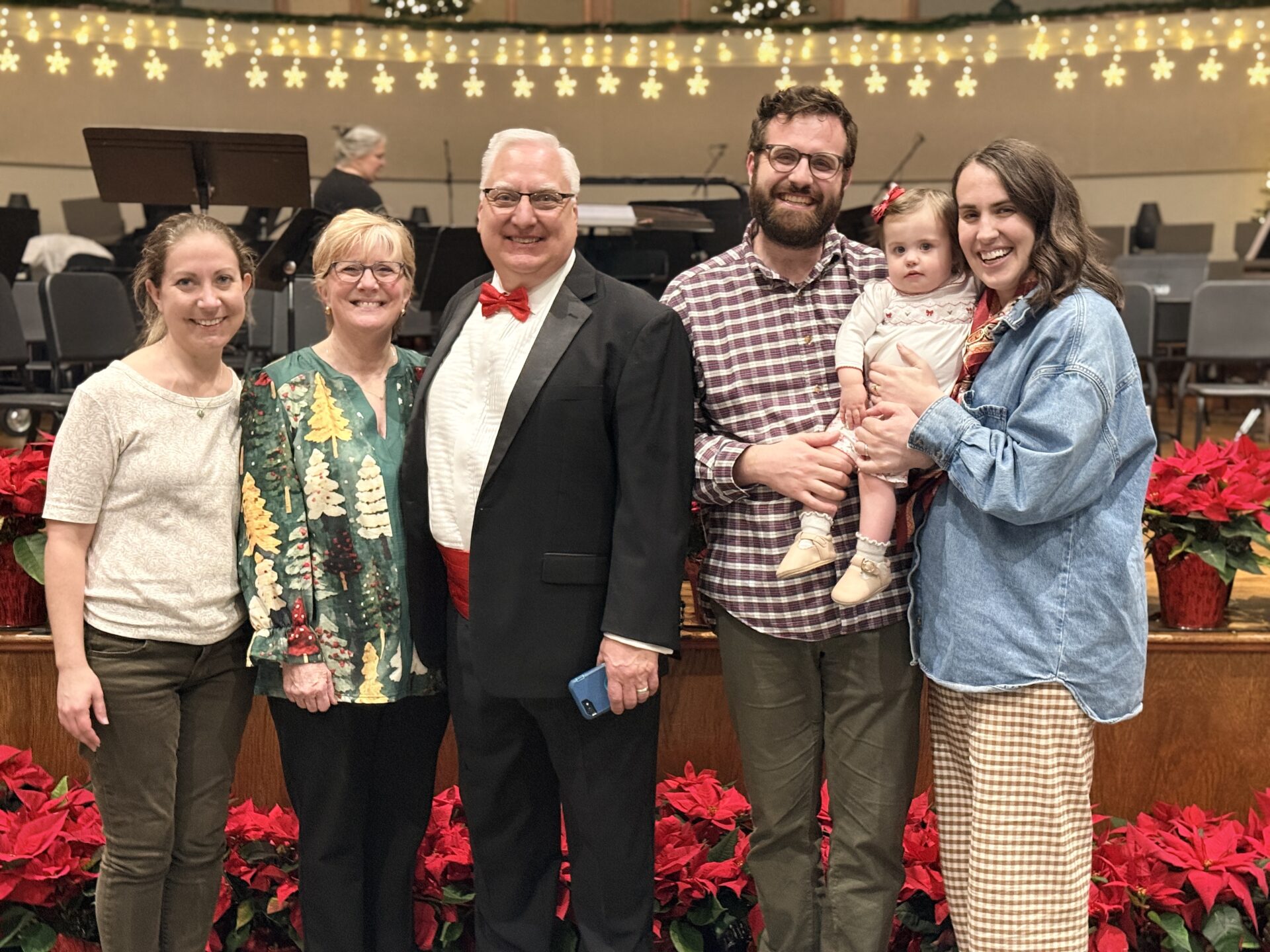
If you’ve been to a CSO concert, you know Gary talks to the audience between pieces. Program notes. Historical context. The occasional joke.
Here’s the funny part: he never wanted to.
“As an orchestra director, I have always worked with an emcee who did all the talking and allowed me to stay focused on the music,” he confesses. “I’m talking about almost 30 years of letting someone else handle the talking.”
When he became the CSO’s music director, the board wanted him to run the emcee duties himself — and Gary, for the record, did not want to.
“It has just evolved on its own,” he says now. “Now I look forward to the program notes and rapport I have with the audience. It just happened.”
As for his sense of humor?
“I’m glad the audience thinks I have a sense of humor. Ask my family — they don’t think I am funny at all. For some reason they just roll their eyes at me when I tell a joke.”
what makes him proud
Ask Gary what he appreciates about the Conroe Symphony Orchestra, and his answer is immediate.
“The orchestra members have an incredible spirit of helping me build the ensemble musically. This has allowed me to shape the ensemble’s musical identity, sound, and culture. The musicians have been very patient with me during this process, and I’m very appreciative of that.”
And what makes his volunteer musicians willing to give up their evenings after a full day of work?
“The musicians in the orchestra must have music in their hearts to make such a sacrifice to come to rehearsals after their day jobs. They just have music-making as part of their lives.”
He’s proud of the musical growth of the ensemble. Of the increase in musicians wanting to join. Of concerts that regularly sell out. Of the support from the CSO Board. Of the endless dedication of the Friends of the Symphony.
“Basically,” he says, “I’m thrilled with the team we have put together and how everyone is pulling together to make the orchestra successful.”
A Letter To the People Who Keep Coming Back
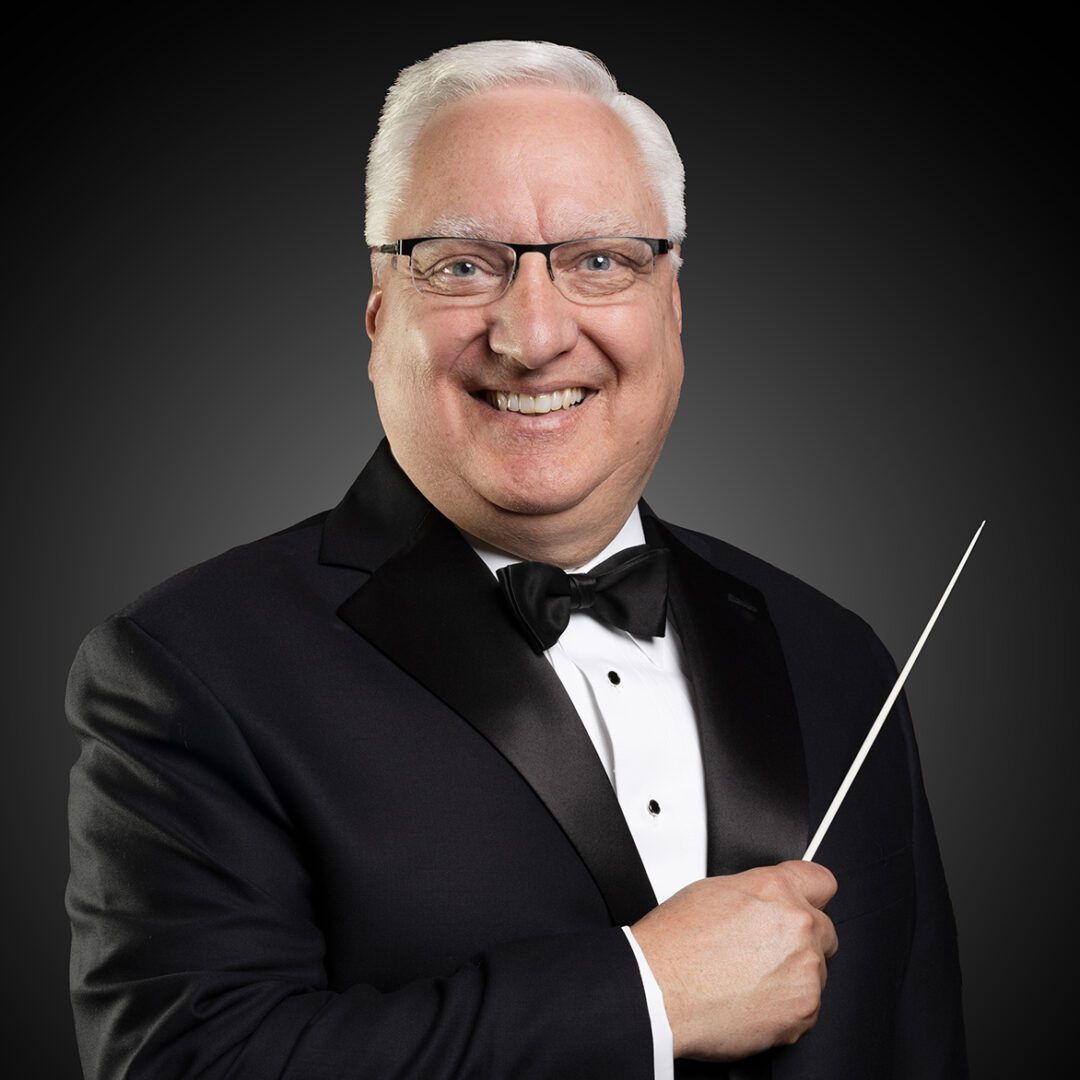
Thank you for applauding us through exciting overtures and triumphant finales.
You’ve welcomed great soloists, helped us discover new music, and returned again and again to hear your favorite pieces. Your constant presence is important to the life of this orchestra.
I feel like we have developed more than an audience — you’ve become part of the family.
Thank you for your loyalty, your encouragement, and your belief in what live music can do.
— Gary Liebst, Music Director
And to anyone who’s never been to a symphony
“Please give it a try,” Gary says. “You don’t need to know anything when you walk through those doors. You don’t need to know the composers, understand sonata form, or recognize the themes. Just come willing to listen.”
“Music has a way of meeting people where they are.”
What’s Next
Looking five years ahead, Gary sees an orchestra that has grown “not only in musical ability but in purpose and identity.” An orchestra that continues to challenge itself artistically. Musicians who are proud of the progress they’ve made and the possibilities ahead.
And then something even larger:
“An orchestra that is deeply connected to its community. I would like to see audiences who feel that this is their orchestra — a place where they belong, and where they can experience the power of live music together.”
Come Hear Gary Liebst For Yourself
Gary, Off The Podium
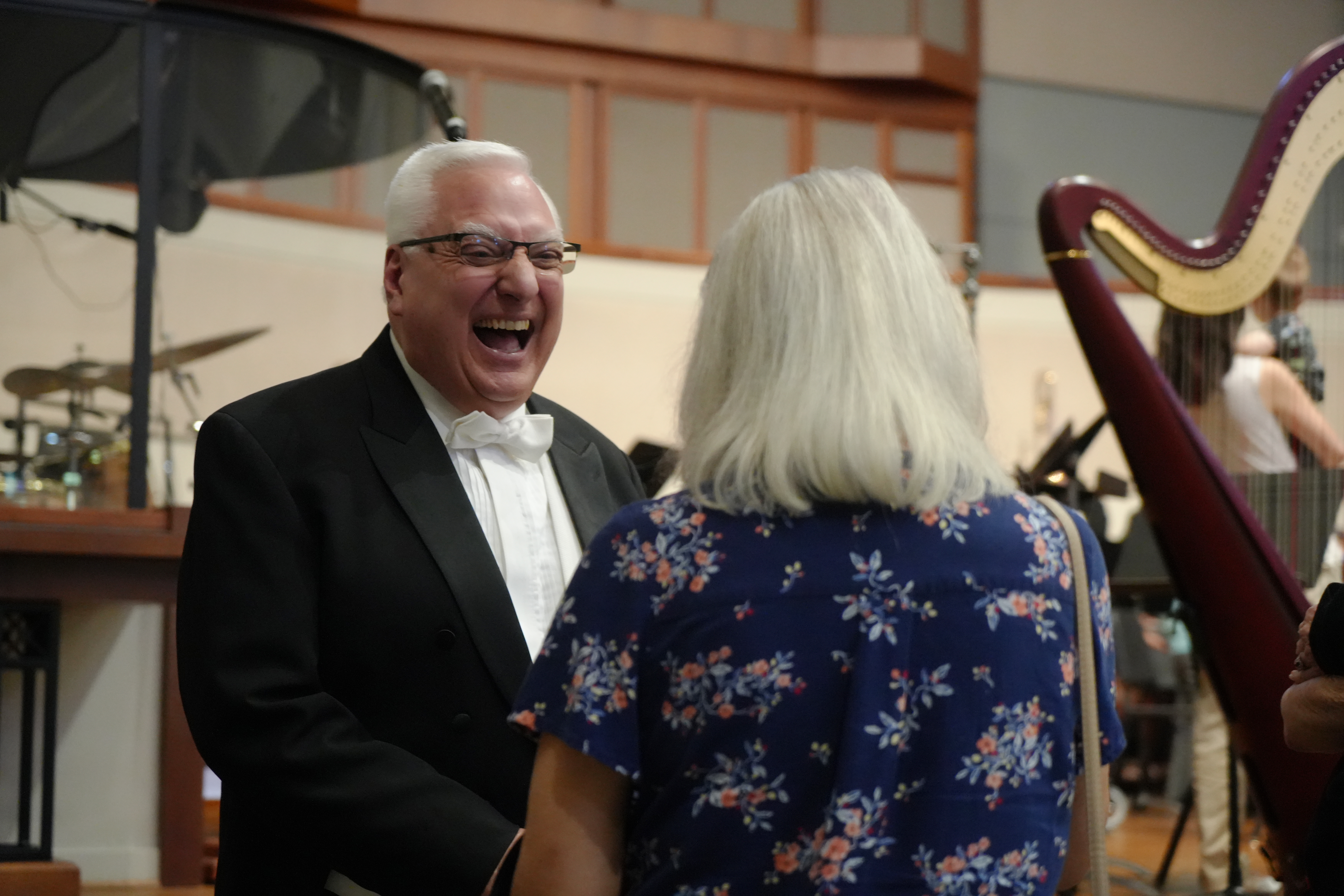
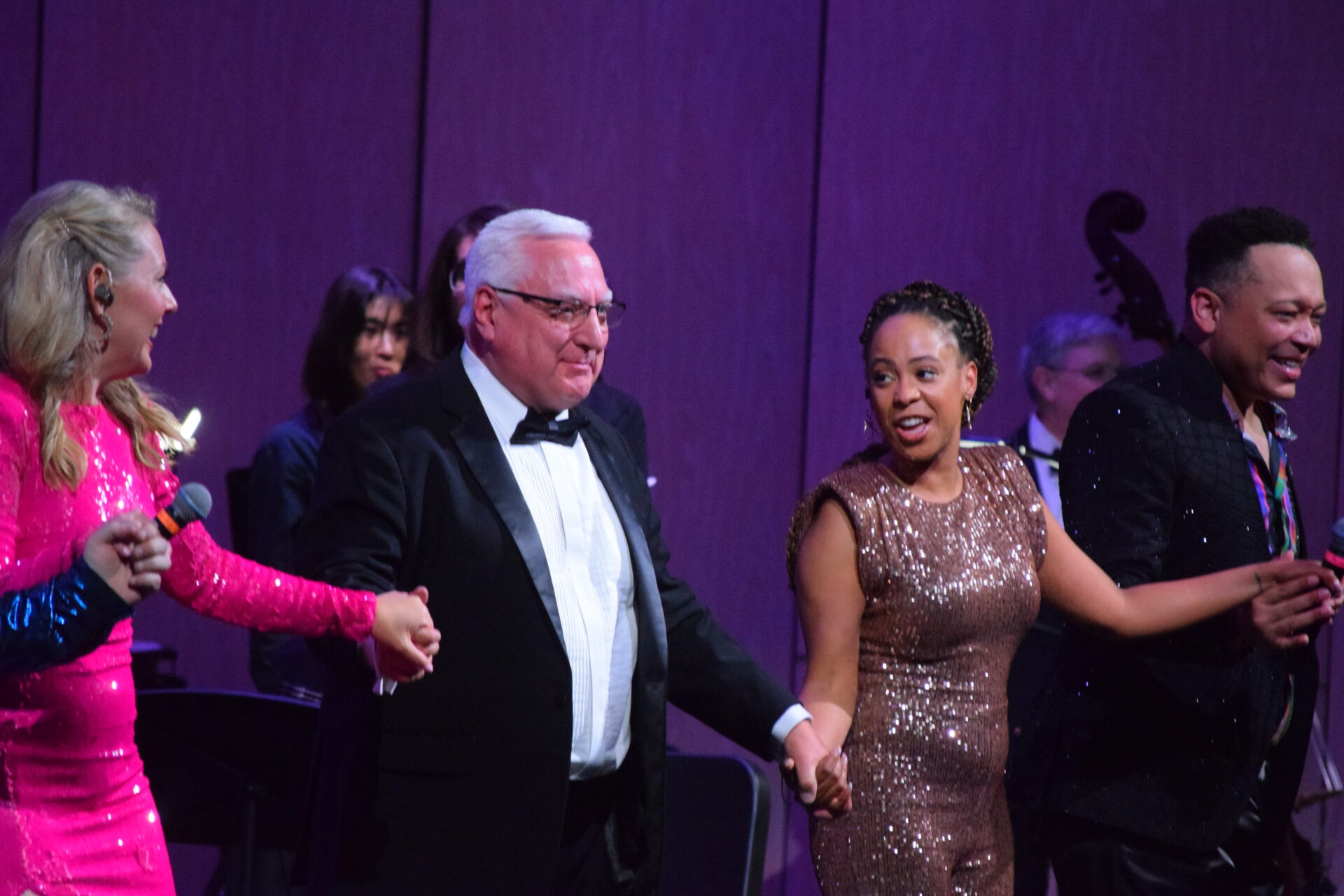
Car Radio Playlist
Sports Radio
A conductor he wishes he'd shared a stage?
Carlos Kleiber
“regarded as one of the most gifted conductors of the 20th century. His performances were known for their extraordinary musical intensity, precision, and elegance.”
When Do You know it's been a good concert?
“We all end together on the last note.”